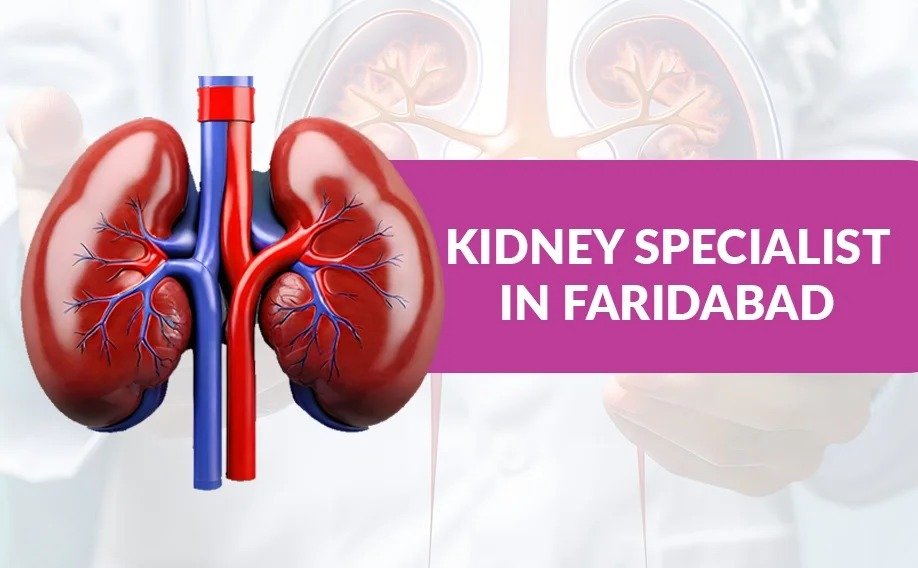
Acute Kidney Injury (AKI) is a sudden episode of kidney failure or damage that occurs within a few hours or a few days. It is a serious condition that requires immediate medical attention. AKI can be caused by various factors, including dehydration, infections, medications, and trauma. If left untreated, AKI can lead to present further complications.
Causes of AKI
AKI can be caused by various factors including:
Dehydration: Dehydration can lead to decreased blood flow to the kidneys, resulting in AKI.
Infections: Certain infections such as sepsis can trigger kidney failure.
Medications: Some medications, especially when taken in high doses or in combination, can damage the kidneys.
Trauma: Physical injury to the kidneys can result in AKI.
Toxins: Exposure to certain toxins or chemicals can damage the kidneys.
Symptoms of AKI
Common symptoms of AKI include:
- Decreased urine output
- Discolored urine output
- Swelling in the legs, ankles, or around the eyes
- Shortness of breath
- Confusion
- Nausea and vomiting
Long-Term Effects of AKI on Kidney Health
While AKI is often reversible with prompt treatment, it can have significant long-term effects on kidney health if not managed properly. Acute kidney injury increases the risk of developing chronic kidney disease (CKD) and other serious complications.
Chronic Kidney Disease (CKD)
One of the most significant long-term effects of AKI is the development of Chronic Kidney Disease (CKD). CKD is a progressive condition in which kidney function gradually declines over time. Patients who have experienced AKI are at higher risk of developing CKD compared to those who have not had AKI.
Cardiovascular Complications
AKI can also increase the risk of cardiovascular complications such as heart disease and stroke. The kidneys play an important role in regulating blood pressure and fluid balance. When kidney function is impaired, it can lead to hypertension and other cardiovascular issues.
End-Stage Renal Disease (ESRD)
In severe cases, repeated episodes of AKI or inadequate treatment can lead to End-Stage Renal Disease (ESRD). ESRD requires dialysis or kidney transplantation to maintain the patient's life.
Prevention and Management of AKI
Preventing AKI is an important strategy for maintaining long-term kidney health. The best nephrologists in Faridabad recommend the following strategies:
Stay hydrated by drinking plenty of fluids, especially during hot weather or when exercising
Be cautious with medications and follow dosage instructions carefully
Maintain a healthy diet and lifestyle
Avoid exposure to toxins and chemicals whenever possible
Treatment of AKI
Treatment of AKI depends on the underlying cause and severity of the condition. In mild cases, supportive measures such as intravenous fluids and medication adjustments may be necessary to remove waste products from the blood. In more severe cases, dialysis may be necessary to remove waste products from the blood.
Conclusion
Acute Kidney Injury (AKI) can have significant implications for long-term kidney health if not promptly recognized and treated. Understanding the causes, symptoms, and potential complications of AKI is crucial for preventing further kidney damage. Dr. Jitendra Kumar and other leading nephrologists emphasize the importance of early detection and intervention to prevent long-term complications of AKI.