Information
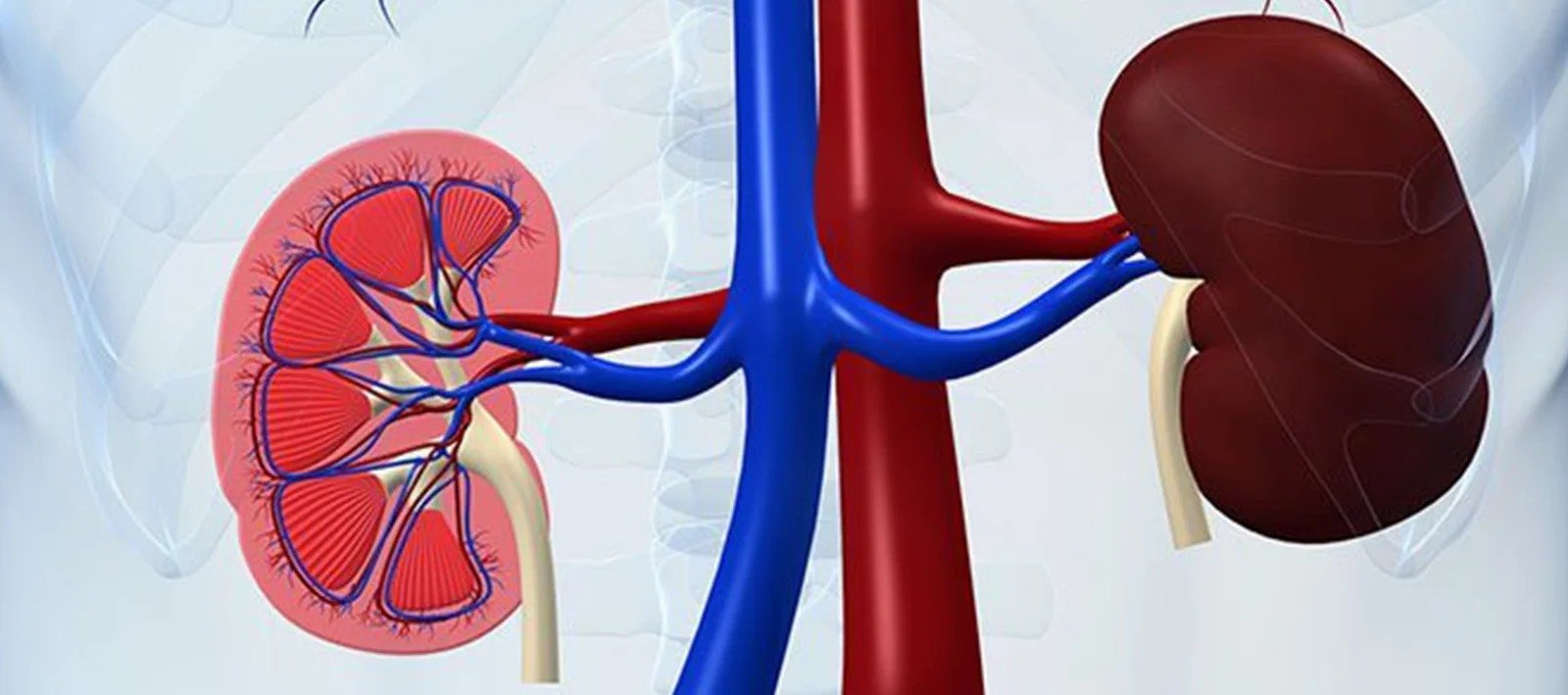
The Kidney Dialysis Centre in Faridabad offers vital services for individuals with kidney-related issues. Within the human body, the kidneys, shaped like beans, serve as essential filtration organs. Their primary function involves the purification of blood, eliminating waste materials, and maintaining a healthy internal balance. This remarkable process ultimately leads to the production of urine, which contains waste, surplus water, and excess electrolytes, and is expelled from the body through the urethra.
There are two kidneys situated on either side in the abdomen.
Function of the kidneys:
- Excretion of nitrogenous waste products from the body.
- Maintenance of Hb (Hemoglobin) level.
- Maintenance of strength of bones by keeping the blood Calcium levels normal.
What functions do healthy kidneys perform?
- They balance the body’s water content.
- They remove waste products from the blood. Waste products come from body cells and foods that are eaten.
- They help keep body chemicals in balance.
The kidneys work hard to remove extra waste and fluid from your body.
Consider the kidneys as specialized filters within your body. These remarkable organs play a pivotal role in blood purification. On a daily basis, they process approximately 180 liters of bodily fluids, meticulously sifting through this vast volume. Astonishingly, they retain nearly all of this fluid, releasing only one to two liters as urine.
The intricate process of urine formation can be broken down into several crucial steps, namely glomerular filtration, tubular reabsorption, and tubular secretion. At the core of this system is the nephron, which serves as the fundamental functional unit of the kidneys. Located at the inception of each nephron, the glomerulus is a complex network of capillaries responsible for the initial filtration of blood.
In brief, how the kidneys work:
Now, let's delve into the workings of this remarkable system, keeping in mind that if you're seeking the expertise of a kidney specialist in Faridabad, you're entrusting your renal health to a highly trained medical professional.
- First, the renal arteries supply blood to the kidneys.
- Inside the kidneys, millions of filters called glomeruli filter blood to form urine. Tubules attached to these filters save some things the body needs.
- The excess waste products and extra fluid that the body does not need are removed.
- The clean blood returns to the body through the renal veins.
- The waste and extra fluid (urine) is carried from the kidneys to the bladder through the ureters.
- The bladder holds urine until it is passed out of the body.
Kidneys also help keep your body chemicals in balance.
Specifically, the kidneys produce different hormones and chemicals that:
- Prompt the bone marrow to make red blood cells. Red blood cells help oxygen get carried through your body. Without enough red blood cells you may develop anemia, which will cause you to feel weak, cold, and tired.
- Help the body use vitamin D. Vitamin D keeps your bones strong and healthy.
- Keep your blood pressure under control. High blood pressure is a very serious condition. It can lead to stroke, heart disease and kidney disease.
As you can see, it is important to keep your kidneys working well for as long as possible.
Common Kidney Disease
In Children:
- Excessive protein excretion in urine i.e. Nephrotic Syndrome.
- Infections of urine and kidney e.g. Vesico-Ureteric Reflux (VUR).
In Adults:
- Diabetic Nephropathy.
- Hypertensive nephrosclerosis i.e. Kidney damage due to high blood pressure.
- Kidney stone disease i.e. Obstructive Uropathy.
- Adult Polycystic disease, Congenital i.e. by birth.
- SLE is more common in women.
When someone has kidney disease, the kidneys are damaged.
The kidneys no longer work well enough to remove wastes and excess fluids from the body. Complete kidney failure occurs when less than 10% of your kidneys are working. Toxins, waste products from foods and body cells, plus extra fluids build up in the blood. If the excess wastes and fluids are not removed, the whole body is affected. You become ill from the build up of waste products and fluid.